For the last 12 years, I’ve audited hundreds of home-based brands and SaaS startups. I have seen the same mistake repeated with depressing regularity: business owners assume that if they give away the "good stuff" for free, customers will eventually "get it" and upgrade on their own. That is not a strategy; that is a hope-based revenue model.
To succeed, you need a coherent value ladder. This isn't about throwing features at a wall to see what sticks. It is about architectural design—creating a path where your free tier acts as a lure and your paid tiers act as the destination.
Understanding the Value Ladder
A value ladder is not just a marketing buzzword. It is the tactical sequence of offering products or services of increasing value and price. In a digital-first business model, your free version is the entry point. It solves one specific pain point, and it does so without friction.
Consider a project management app. The "free" value is task organization. The "paid" value is team collaboration and automation. If your free version solves the user's primary problem, they have no reason to upgrade. Your free features must be useful, but they must also feel "incomplete" enough that the user recognizes the benefit of the paid tier.
The Physics of Friction: Count Your Clicks
If your signup process takes more than three clicks, you are losing money. I have audited flows that required 12 clicks just to get to the dashboard. If you ask for a phone number, an address, and a "how did you hear about us?" survey before the user has seen your product, you aren't building a customer base—you are building a graveyard for abandoned carts.

The Registration Audit
Let’s look at a standard registration flow. Each step is a potential point of failure. Ask yourself these questions:
- Is the email confirmation required before entry? If yes, kill it. Let them experience the value first. Are you asking for credit card info for a free trial? This is the single biggest conversion killer. Don’t do it unless you have massive brand trust. Are you using social login buttons? If a user can sign up with one click via Google or Apple, they are 40% more likely to complete the process.
The "Popup Hall of Shame"
I keep a running list of web design sins, and at the top of the list are annoying popups. We have all seen them: the "Wait! Don't leave!" popup that covers the entire screen, or the "Join our newsletter" modal that appears three seconds after a page loads.
When you are trying to convert a user from a free member to a paying customer, these interruptions destroy trust. If you are going to use an overlay, keep it context-aware. If they have clicked on a "Pro" feature, that is when you show the upgrade modal. Do not interrupt their work flow for the sake of marketing data. It feels desperate, and users can smell affiliate partnerships for beginners desperation.
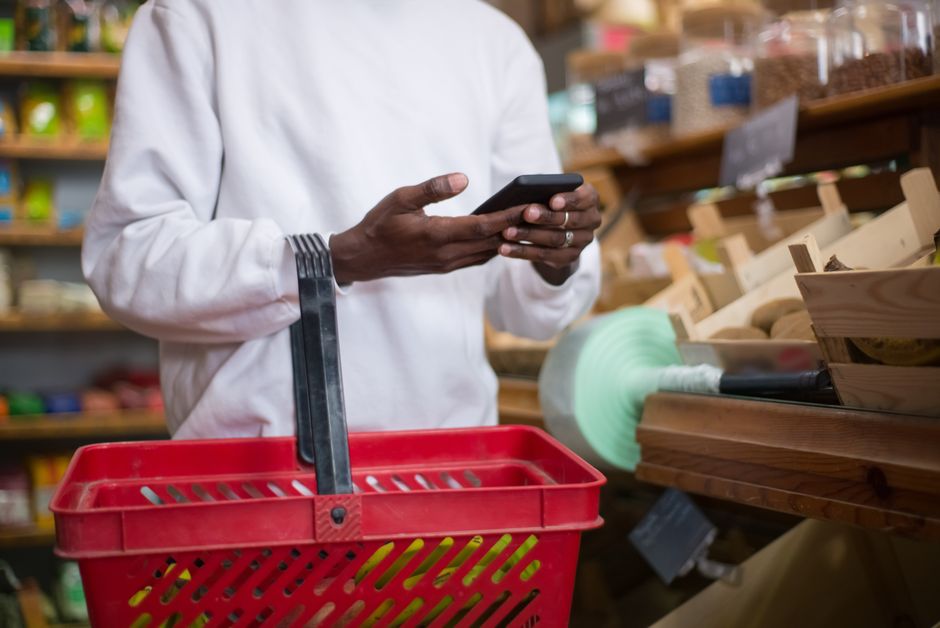
Mobile-First Design: Designing for Thumbs
If your mobile checkout isn't optimized, you are essentially telling mobile users that their business doesn't matter. Mobile-first design isn't just about shrinking your desktop site; it is about input efficiency.
On a phone, typing is a chore. If your upgrade flow requires manual entry of credit card digits, ensure your payment systems support mobile wallets like Apple Pay or Google Pay. These secure payment systems reduce the effort to a biometric scan (a thumbprint or FaceID). This removes the barrier of entry and turns a high-friction upgrade into a frictionless moment of commerce.
Monetization Options: Choosing Your Path
There is no "one size fits all" when it comes to a freemium strategy. You need to choose a model that aligns with your specific product category. Here is a breakdown of how the most successful brands align their monetization options:
Model Best For Pros Cons Feature-Gated SaaS/Software Users see the full potential of the app Can cause user frustration if features are too essential Usage-Based Cloud Storage/API Scales revenue automatically with user growth Hard for users to predict monthly costs Freemium-Light Mobile Apps High volume of acquisition Requires a large user base to convert meaningful revenueAvoiding the Vague and the Passive
When you write your copy, avoid the word "game-changing." It is lazy, and it means nothing. If your software saves someone four hours of administrative work a week, say exactly that. "Automate your billing to save four hours every Monday." That is a claim that can be verified.
Furthermore, stop using passive voice. Do not write "The upgrade button should be clicked by the user." Write "Click the upgrade button." Passive voice hides the actor and makes your brand feel distant and corporate. Be direct, be clear, and treat your user’s time as the most valuable resource they have.
Secure Payment Systems: Building Trust
When a user decides to move from your free tier to a paid plan, that is a moment of vulnerability. They are trusting you with their financial data. If your checkout page looks like a 1998 geo-cities template, they will bounce.
Use established secure payment systems (Stripe, PayPal, Braintree). These platforms provide the visual security badges—the little lock icons and the "Powered by" branding—that act as subconscious signals of safety. When integrating these, keep the branding consistent with your app. A sudden shift to a completely different, unstyled checkout page is a massive red flag for any savvy user.
Final Thoughts on the Freemium Strategy
Offering free features and paid upgrades together is smart only if you have a clear strategy behind the wall. If your free tier is too restrictive, you won't get the users. If it's too generous, you won't get the revenue.
The "sweet spot" is providing a free version that makes the user better at their job or life, and a paid version that makes that process faster, more scalable, or more collaborative. Keep the registration fast, eliminate the popups that block the view, and ensure your mobile checkout feels like a seamless extension of your product.
Stop hoping for conversion. Design for it.