I’ve spent the last decade staring at deal memos. I’ve walked through cold, damp industrial estates and polished, high-tech suburban facilities. I’ve seen operators promise "recession-proof" returns while ignoring a leaking roof that will bankrupt their maintenance budget in eighteen months. Let’s cut through the noise.
The UK self-storage sector has exploded over the last decade. Data from FinanceWire and Markets Insider self storage sector UK confirms the trend: it’s not just a hobbyist’s industry anymore. It’s institutional-grade real estate. But just because the sector is growing doesn’t mean every facility is a goldmine. If you’re looking at a site, don’t just look at the yield slides. Look at the ground.
What is the local competition within a 10-minute drive?
This is the first question I ask. It is the only question that matters for occupancy. If you don't know who is sharing your catchment area, you don't have a business plan; you have a gamble.
Self-storage is hyper-local. Customers do not drive 30 minutes to save £5 a month. They want convenience. They want visibility and access. If your facility is tucked behind three industrial units with no signage, you are already losing. You need to map out every competitor within that 10-minute drive radius. If there is a Big Yellow or a Safestore nearby, are you positioned to steal their secondary market, or are you just going to get steamrolled?
The Demand Drivers
Why are people renting? It’s not just decluttering. It’s a fundamental shift in how we live and work in the UK.
- Urbanisation: New builds are shrinking. The "spare room" is now a permanent home office. People have nowhere to put their winter kit or hobby gear. Business Usage: E-commerce is the silent engine of the sector. Small businesses use units for inventory, packing, and pick-up. Equipment Storage: Tradespeople need a secure place for tools that isn't their van (where thefts are rising).
The Tech Stack: Convenience is the New Premium
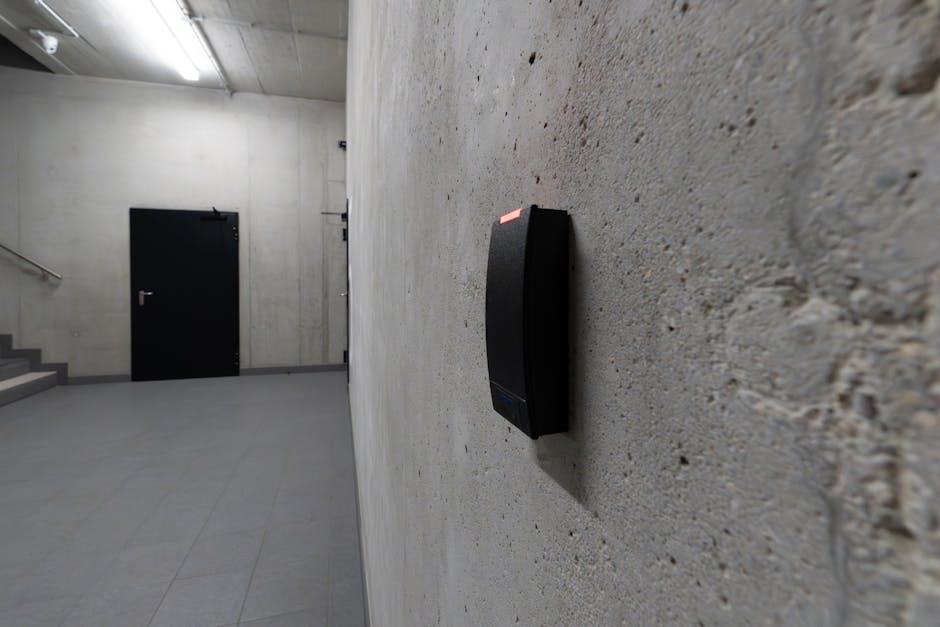
I remember the days of physical padlocks and paper logs. They were a nightmare. Today, a well-positioned facility relies on seamless technology. If the site doesn't have online reservations and contactless access, keep walking.
Customers want to sign up on their phone at 9:00 PM and start moving in at 9:15 PM. They don’t want to meet a manager. If your site’s access control system is outdated, you aren’t just losing customers; you’re wasting money on staffing that shouldn't be there. Operators like Optima Self Store understand this—efficiency in operations is what separates a profitable facility from a money pit.
The "Hidden Costs" List
I see too many operators gloss over these. They love to talk about "occupancy rates" and "yield per square foot," but they forget the realities of managing a building. As a former facilities manager, I know where the money actually goes. When you review a deal memo, make sure these items aren't being swept under the rug:
Expense Category Often Forgotten By Real-World Reality Security Upgrades Optimistic Analysts Cameras and alarms go obsolete every 3-5 years. Pest Control New Operators One rat in a storage unit kills your reputation instantly. Roof Maintenance Yield-Chasers Flat roofs in the UK leak. It’s not a matter of if, but when. Staff Turnover/Admin Corporate Filler High-quality site managers are hard to keep. Turnover hurts. Utilities Macro-forecasts Heating and ventilation are massive, volatile costs.Why "Strong Local Demand" is more than a buzzword
Don't be fooled by generic claims of "high footfall." I want to see a site that sits at the intersection of residential density and commercial activity. If a site is strictly in an industrial area with zero residential nearby, your business mix will be skewed too heavily toward e-commerce. If it’s strictly residential, you lose the high-margin business customers who pay on time and stay for years.
A well-positioned facility thrives on a balanced mix. You want the local resident who stores for six months during a move, and you want the online retailer who has stored their stock with you for three years. That balance is what creates the recurring revenue model that lenders love.
The Due Diligence Checklist
Before you commit to a deal, run through this list. If the answers are vague, walk away.
Drive-Time Analysis: Have you mapped every competitor within 10 minutes? Access Control: Is the site truly contactless? Can a new customer get in without a human being present? Visibility: Can someone driving by at 30mph see your signage? Flexibility: Can the unit sizes be adjusted? Are walls permanent or modular? (Modular is always better for long-term viability). Maintenance Log: Ask to see the repairs log for the last two years. If it’s empty, they haven't been looking.Final Thoughts
The self-storage boom in the UK is real, but it’s maturing. The days of buying any old warehouse and slapping a logo on the front are over. We’ve entered a period where operational efficiency dictates the winners.
If you hear an operator calling their returns "guaranteed" or "recession-proof," take a breath. Nothing in commercial property is recession-proof. It is only as good as the building’s ability to stay dry, secure, and accessible to the person living two miles away. Watch the local competition, mind the hidden costs, and for heaven’s sake, make sure the tech works. Your P&L will thank you.
