In today’s digital age, everyday payments have become faster, simpler, and more diverse than ever. Whether you’re grabbing a quick coffee, subscribing to a streaming service, or buying an app, the choice of payment method can impact your experience significantly. Among many options, two popular checkout choices often come up: carrier billing and traditional card payments.
Each method has its own advantages and limitations, and selecting the right one depends on your spending behavior, convenience preferences, and security concerns. In this post, we'll dive deep into what carrier billing is, how it compares to card payments, and practical tips to decide when to use each—especially for small purchases. We will also discuss common buyer behaviors such as monthly contract holders versus pay-as-you-go users to give a comprehensive guide for everyday payments.
What Is Carrier Billing? An Overview
Carrier billing is a mobile payment method that allows you to charge purchases directly to your mobile phone account. Instead of entering credit card details or linking bank accounts, costs for digital goods or services are added to your phone bill or deducted from prepaid balances.
This payment option is closely tied to your mobile operator or carrier, making https://dibz.me/blog/why-do-carriers-cap-carrier-billing-daily-or-monthly-1245 it convenient for smartphone users. Usually, carrier billing is available for micropayments — think small app purchases, game credits, streaming subscriptions, or digital content downloads.
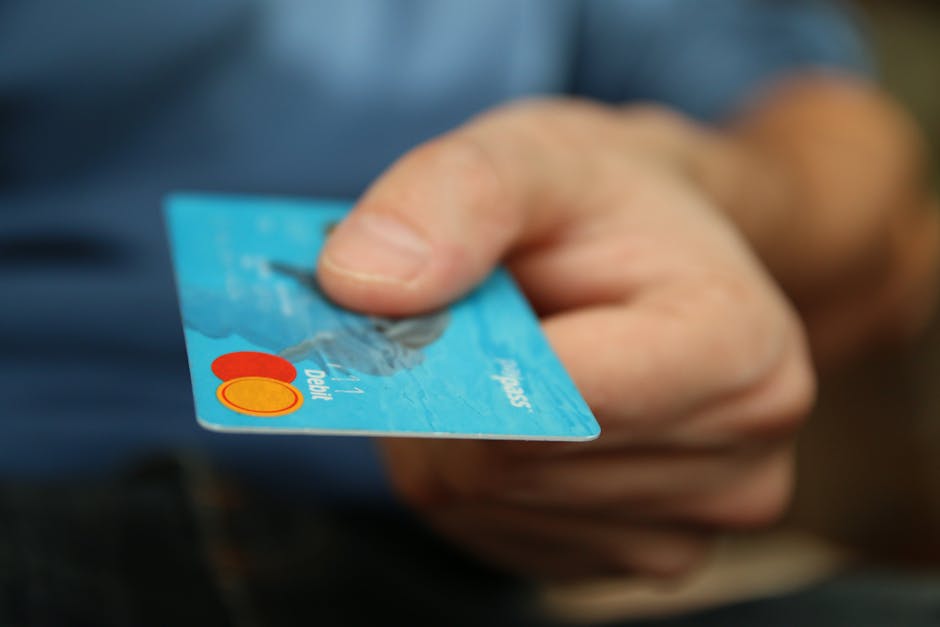
Basics of Carrier Billing
- Integration with mobile operator: Your mobile service provider processes the payment and charges your phone bill. No card information needed: You don’t have to share sensitive card details during checkout. Convenient for digital services: Perfect for quick, low-value transactions. Payment consolitdated post-purchase: Charges appear in your monthly bill or as a deduction from prepaid credit.
Comparing Monthly Contract vs Pay-As-You-Go Users
Your usage plan can greatly influence when carrier billing makes sense. Broadly, mobile subscribers fall into two categories:
Monthly Contract Subscribers: These users have a recurring monthly agreement with their carrier, paying a fixed amount plus any overage or additional service charges. Pay-As-You-Go (Prepaid) Users: These users top up a prepaid balance and pay only for what they consume, with no monthly bill.Impact of Plan Type on Carrier Billing Suitability
Aspect Monthly Contract Subscribers Pay-As-You-Go Users Payment Bundling Purchases added to monthly phone bill Purchases deducted from prepaid balance immediately Cash Flow Consideration Deferred payment consolidates spending at month-end Instant deduction requires balance availability Convenience Smooth experience when bill payment is routine Risk of declined charges if balance insufficient Usage Monitoring Easy tracking through monthly statement Users closely watch prepaid balance Suitability for Carrier Billing Highly suitable—ideal for bundling small purchases Conditionally suitable—depend on prepaid balance and usage patternsUnderstanding your mobile plan helps decide if you will enjoy a seamless carrier billing experience or if prepaid limitations might cause friction.
Checkout Speed and Reduced Friction
One of the biggest strengths of carrier billing is the checkout speed it enables. For everyday payments and small purchases, speed and simplicity matter a lot.
Why Carrier Billing Often Means Faster Checkout
- No card or payment details input: You simply confirm the purchase; the cost is charged to your phone account. Fewer steps to complete payment: Eliminates need for lengthy form fills, card numbers, CVV, and address verification. Saves time on mobile devices: Typing card details on smartphones is prone to errors — carrier billing bypasses this. Less abandoned carts: Reduced friction and trust in carrier reduces hesitation at checkout.
For small digital purchases, like buying an app or a music track, carrier billing lets you pay with just a few taps. This streamlined experience drives impulse purchases and improves conversion rates for merchants.
When Cards Offer a Competitive Edge
Despite the speed of carrier billing, card payments still can offer advantages when:
- You want to use stored payment info across multiple platforms (non-carrier tied services). You prefer payment methods with rewards, loyalty, or cashback incentives linked to your credit or debit card. You purchase high-value or physical goods that carriers typically don't support. You’re shopping on multiple devices and want consistency in payment options.
Perceived Security and Trust in Carriers
Security concerns are top of mind in any payment decision. When deciding between carrier billing vs a card, understanding perceived security and trust levels can guide your choice.
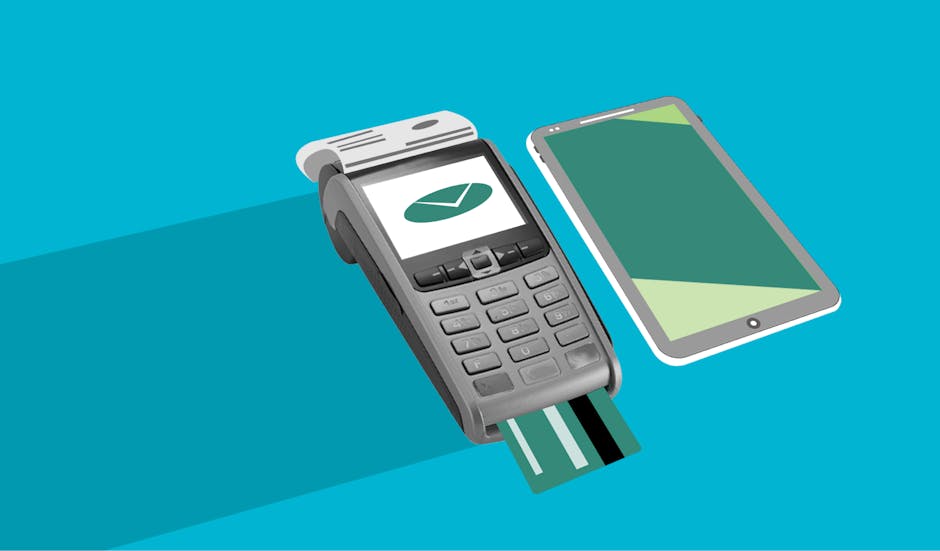
Why Carrier Billing Feels More Secure for Many
- No sharing of sensitive payment details: Since you never enter card numbers, your financial data isn’t exposed to merchants or third parties. Reputation of mobile carriers: Users often trust their mobile service providers for billing clarity and dispute resolution. Built-in fraud protections: Carriers can detect unusual activity and block suspicious transactions. Single trusted channel: All charges appear consolidated on your mobile account, making it easier to identify discrepancies.
Security Considerations With Cards
- Cards are often secured with multiple layers such as CVV, 3D Secure, and fraud monitoring. Cards can be quickly frozen or replaced if compromised. Many users benefit from cardholder dispute rights and protections under applicable law. However, data breaches and phishing attacks remain a risk when using card payments online.
Ultimately, your comfort level with payment data sharing and confidence in dispute resolution should weigh into your checkout choice.
When to Choose Carrier Billing vs Card for Everyday Payments
Here’s a practical guide to deciding the right tool for your everyday, small purchases:
Use Carrier Billing When:
- You make frequent small digital purchases that can be consolidated on your mobile bill. You want a super-fast checkout experience on mobile without entering sensitive payment data. You prefer not to share card details online or in apps. Your mobile plan supports convenient monthly billing or you maintain sufficient prepaid balance. You trust your mobile operator’s billing and dispute support.
Use Card Payments When:
- You shop across multiple platforms and want a single payment method. You seek rewards, cashback, or special financing linked to your card. You buy physical goods or higher-value items that carrier billing cannot handle. You want detailed transaction reporting outside your phone bill. Your carrier billing limits are restrictive or unavailable for the merchant or region.
Summary Table: Carrier Billing vs Card Checkout Choice
Factor Carrier Billing Card Payment Ideal Purchase Size Small, everyday digital purchases Small to large, physical or digital goods Checkout Speed Very fast, minimal input Moderate, requires card data entry Payment Data Sharing None, charges on phone bill Yes, card info shared during transaction Bundling Expenses Consolidated on mobile bill Separate card statement entries Security Trusted carrier protections Fraud protection built into cards Rewards & Incentives Rarely available Common (cashback, miles, points) Payment Limits Usually low limits or caps apply Often higher limits depending on creditFinal Thoughts
Choosing between carrier billing and card payments is not a matter of one being strictly better than the other. It’s about matching the payment method to your lifestyle, purchase habits, and trust preferences. Carrier billing excels in quick, low-friction, small everyday payments especially for digital services and apps, while card payments provide broad flexibility, rewards, and use cases across both digital and physical purchases.
Next time you face that “checkout kids in app purchases phone choice,” consider what you value most: speed, convenience, security, or rewards. And of course, check if your mobile plan supports carrier billing comfortably. By understanding the distinctions, you empower yourself to make smarter checkout choices that fit your needs best.